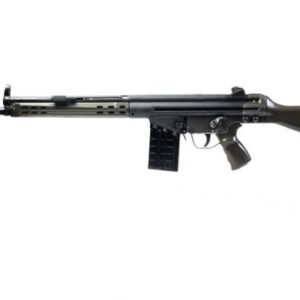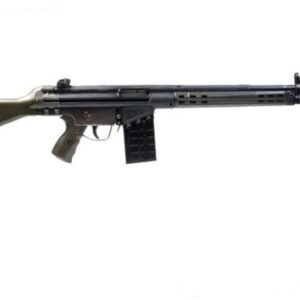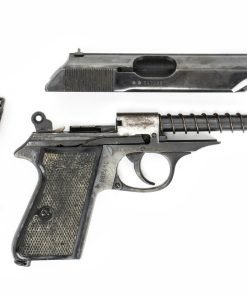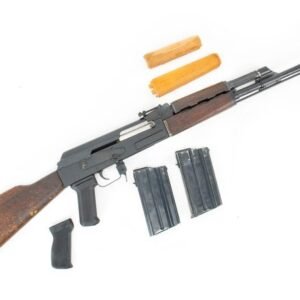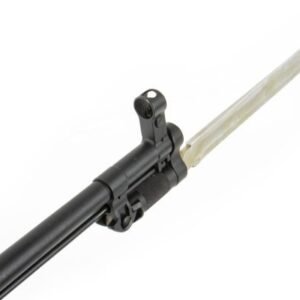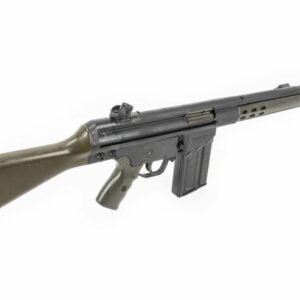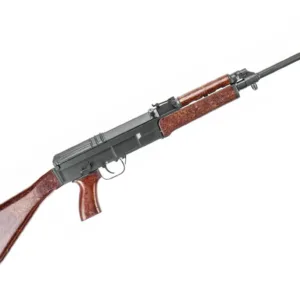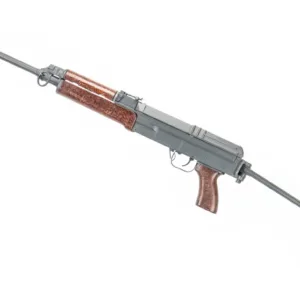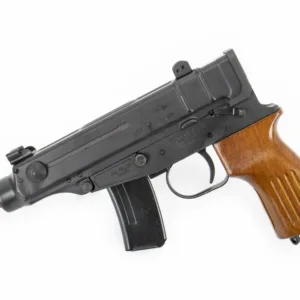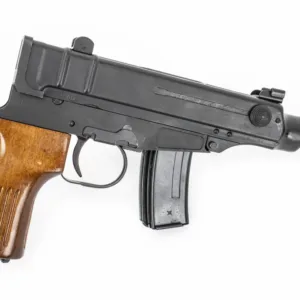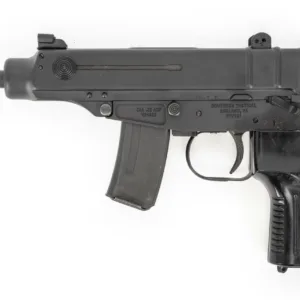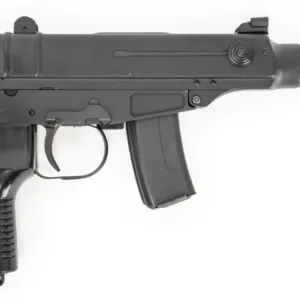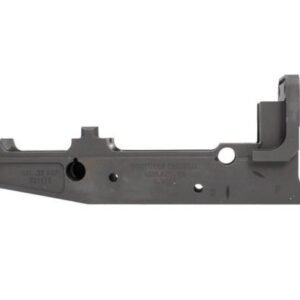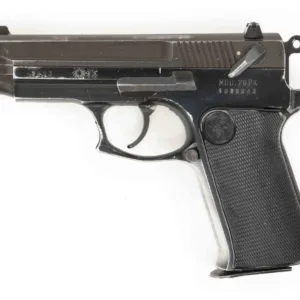
Classic Military firearms, ordnance, and field equipment represent a monumental era of industrial craftsmanship, forged across the defining conflicts of the late nineteenth and twentieth centuries. From the mud-slicked trenches of the Western Front and the vast expanses of the Eastern Front to the island-hopping campaigns of the Pacific and the tense standoffs of the Cold War, military surplus and historic service arms provide collectors, historical marksmen, and living historians with an authentic, tangible connection to global military history. Engineered to withstand the harshest field conditions, Classic Military hardware combines robust forged-steel metallurgy, hand-fitted walnut and birch stocks, and mechanical designs that laid the groundwork for modern firearm technology.
The Mechanical Heritage and Legacy of Classic Military Small Arms
The weapons developed for standard-issue military service were engineered for extreme durability, straightforward field maintenance, and battlefield reliability. Classic Military bolt-action rifles represent the pinnacle of turn-bolt design:
-
The Mauser System (Gewehr 98 and Karabiner 98k): Renowned for its controlled-round-feed claw extractor and massive dual-opposed locking lugs, the German Mauser 98 action remains the structural blueprint upon which nearly all modern bolt-action hunting and target rifles are based.
-
The Lee-Enfield Family (SMLE No. 1 Mk III and No. 4 Mk I): Engineered for lightning-fast cycling, the British Lee-Enfield utilized a rear-locking bolt and cock-on-closing mechanism paired with a generous 10-round magazine, enabling Commonwealth infantrymen to deliver legendary rates of fire.
-
The American Service Rifles (M1903 Springfield and M1 Garand): From the precision target accuracy of the 1903 Springfield to the groundbreaking semi-automatic firepower of the gas-operated M1 Garand, American service rifles set new standards for infantry combat effectiveness in both World Wars.
-
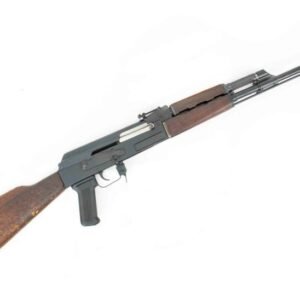
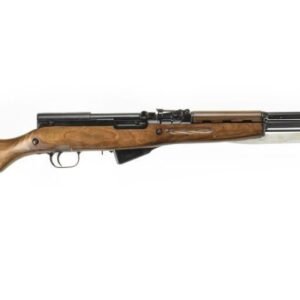
The Eastern Bloc Icons (Mosin-Nagant and SKS): Built for harsh arctic winters and rough handling, the Soviet Mosin-Nagant 91/30 and the semi-automatic 7.62x39mm SKS carbine offered rugged, field-expedient operation across global conflicts.
-
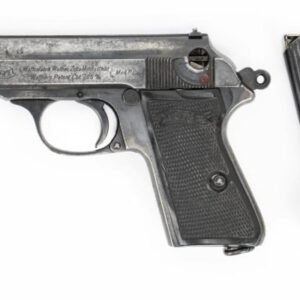
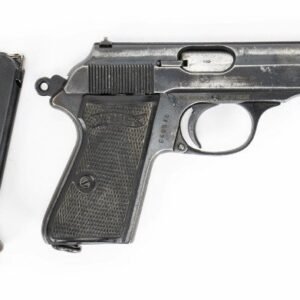
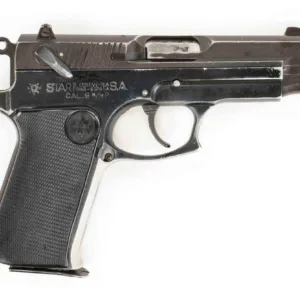
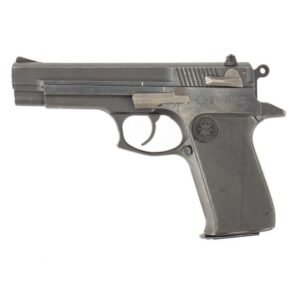
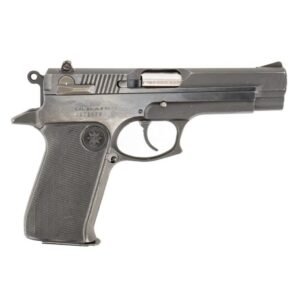
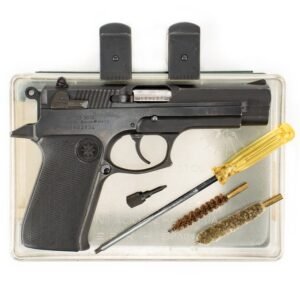
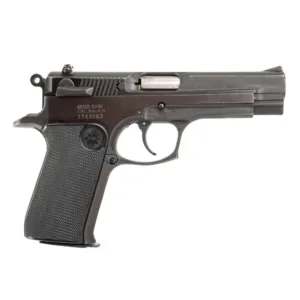
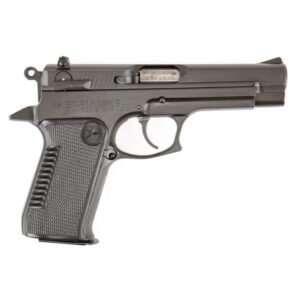
Classic Military Handguns: Iconic sidearms including the John Browning-designed Colt M1911 and 1911A1 in .45 ACP, the toggle-locked Luger P08, the double-action Walther P38, the rugged Tokarev TT-33, and the British Webley top-break revolvers.
Field Gear, Webbing, and Accessories Across Classic Military Surplus
The appeal of Classic Military collecting extends far beyond firearms into the utilitarian gear carried by combat infantrymen. Original canvas web gear, leather holsters, ammunition bandoliers, entrenching tools, and canteen sets reflect the unique tactical doctrines, camouflage developments, and industrial capabilities of each combatant nation. Additionally, bayonets and scabbards—from long sword-bayonets of the Great War to compact fighting blades and spike bayonets—serve as prime historical artifacts that match specific rifle models, completing authentic military impressions and display collections.
Arsenal Markings, Provenance, and Condition in Classic Military Collecting
Evaluating and authenticating Classic Military artifacts requires a careful eye for arsenal cartouches, acceptance stamps, and proof marks. Stamped into receivers, barrels, and stocks, markings such as the British Broad Arrow, German military acceptance proofs, American ordnance crossed-cannons, and Soviet arsenal marks (such as the Tula star or Izhevsk arrow) document the manufacturing plant, year of production, and subsequent military refurbishments. Collectors place a high premium on matching serial numbers across bolts, receivers, magazines, and floorplates, as well as untouched original blued or Parkerized finishes that have escaped post-war civilian alteration or aggressive refinishing.
Preservation, Cosmoline Removal, and Maintenance for Classic Military Pieces
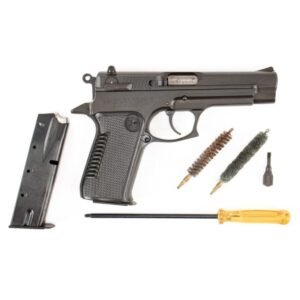
Safeguarding Classic Military hardware requires specialized conservation and cleaning techniques. Many surplus firearms and parts arrive preserved in thick petroleum-based cosmoline grease, which requires patient removal using mineral spirits, gentle heat, or specialized degreasers to avoid drying out antique stock wood or stripping original finishes.
When shooting Classic Military rifles with vintage surplus ammunition, shooters must be mindful of corrosive primers containing potassium chlorate. After firing, barrels and bolt faces must be thoroughly swabbed with hot water or dedicated water-based bore cleaners to dissolve the corrosive salt deposits before drying and applying high-grade gun oil. Proper climate control—maintaining stable humidity levels between 45% and 55%—protects steel against rust and keeps seasoned military wood stocks from cracking, preserving these functional historical artifacts for future generations.