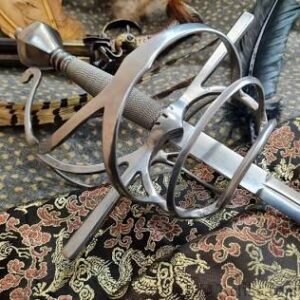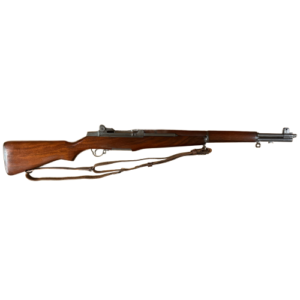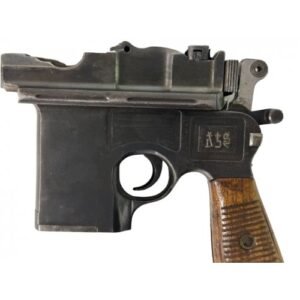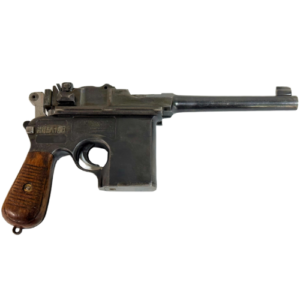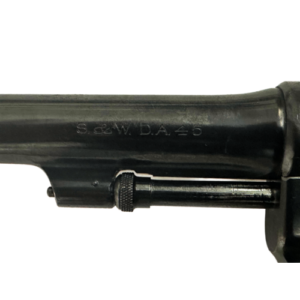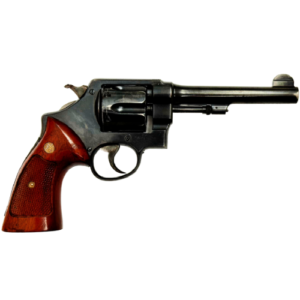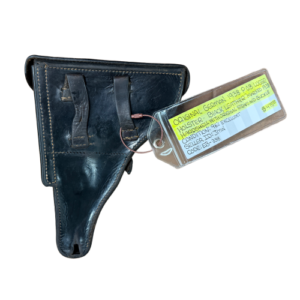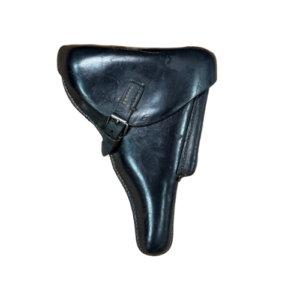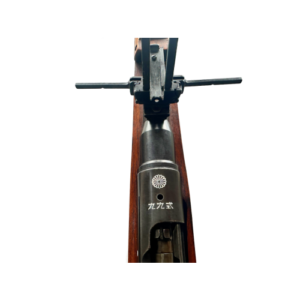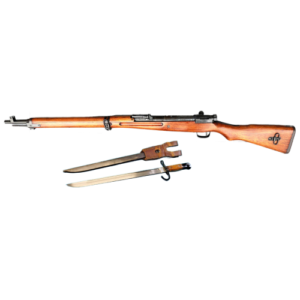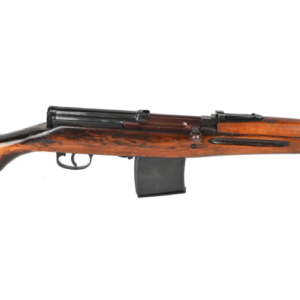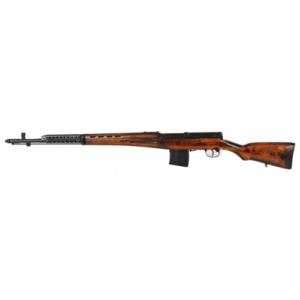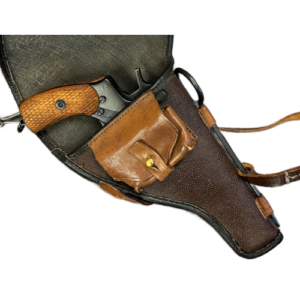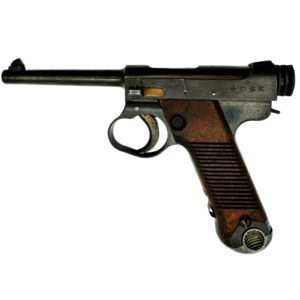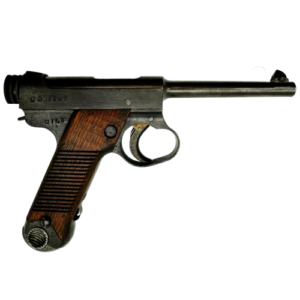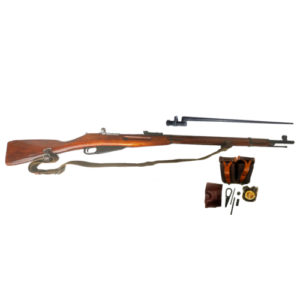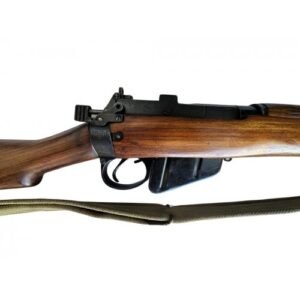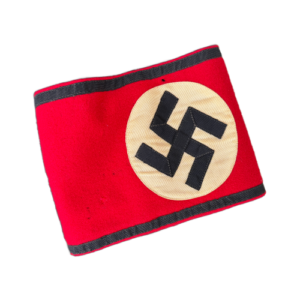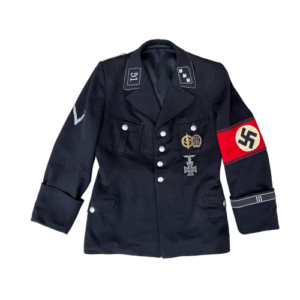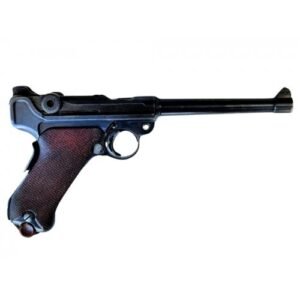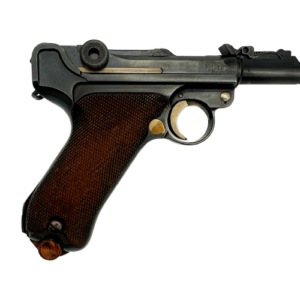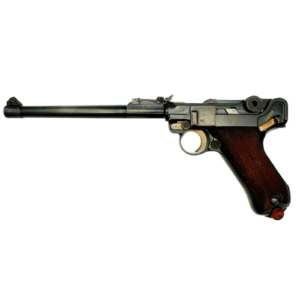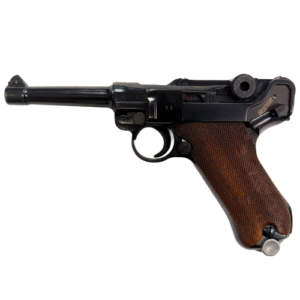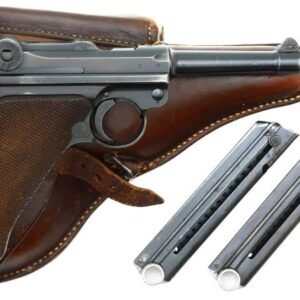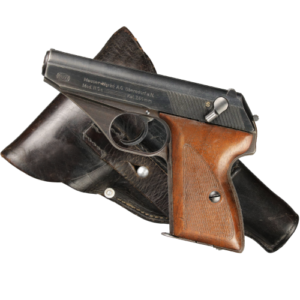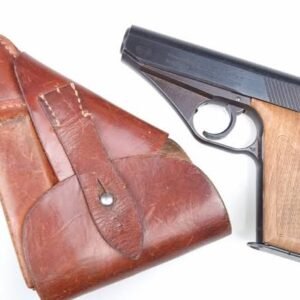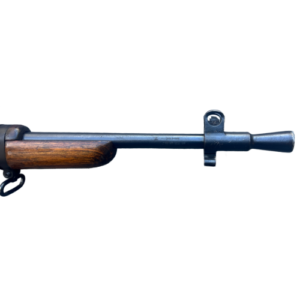
World War II represents the most expansive and transformative conflict in human history, shaping the geopolitical landscape of the modern era and leaving behind a vast, poignant material culture. WW2 Collectibles—ranging from standard-issue infantry field gear and personal soldier effects to combat awards, uniforms, edged weapons, and historical paper ephemera—serve as tangible links to the service members who fought across the European, Pacific, North African, and Mediterranean theaters. Collecting WWII militaria transcends simple antique acquisition; it is a dedicated act of historical preservation that honors personal stories of courage, sacrifice, and survival. Whether curating rare museum-grade artifacts, assembling authentic kits for historical education, or building a focused private archive, authentic WW2 Collectibles provide unmatched historical gravitas and enduring collectible value.
The Historical Significance and Enduring Legacy of WW2 Collectibles
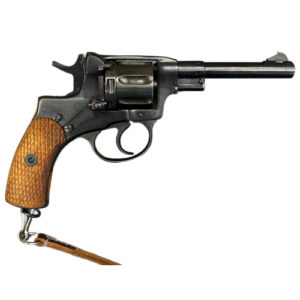
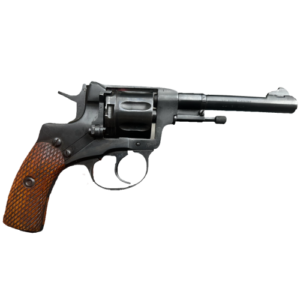
Every authentic item among WW2 Collectibles carries a physical narrative of wartime industrial mobilization, tactical doctrine, and frontline endurance. Between 1939 and 1945, combatant nations mobilized their industrial capacities to equip millions of frontline troops, resulting in iconic designs that defined mid-twentieth-century military history. The rugged utilitarianism of American GI field gear, the technical engineering of German military equipment, the utilitarian durability of Soviet arms, and the disciplined craftsmanship of British and Commonwealth kit reflect the distinct manufacturing philosophies and resource constraints of their home fronts. Preserving WW2 Collectibles ensures that the material evidence of this defining era remains intact for future generations, transforming textbook accounts into tactile, three-dimensional history that commemorates the human dimension of total war.
Core Categories Across the Spectrum of WW2 Collectibles
The field of WWII militaria spans specialized collecting niches, allowing collectors to focus their curation by country of origin, branch of service, or artifact type:
-
Helmets and Headgear: Steel combat helmets are among the most recognizable and coveted WW2 Collectibles. From the American M1 steel pot with its fiberglass liner and the British Mk II “Brodie” to the German M35, M40, and M42 Stahlhelms, original combat headgear often bears identifiable factory batch stamps, unit markings, and period combat paint schemes.
-
Field Gear and Combat Equipment: The personal kit carried by frontline troops, including canvas web belts, canteen sets, entrenching tools, mess kits, ammunition pouches, map cases, and backpacks crafted by wartime industrial contractors.
-
Uniforms and Insignia: Authentic field tunics, wool service shirts, flight jackets (such as the iconic A-2 leather flight jacket), winter parkas, and camouflage patterns. This category also includes unit shoulder sleeve insignia, rank chevrons, specialist patches, and division tabs representing legendary units like the 101st Airborne, 1st Infantry Division, and Desert Rats.
-
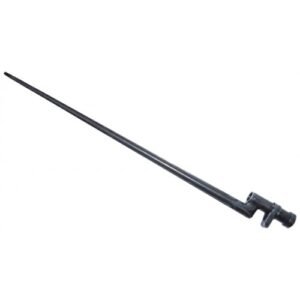
Edged Weapons and Bayonets: Combat trench knives, fighting daggers (such as the British Fairbairn-Sykes and USMC Ka-Bar), standard-issue rifle bayonets (like the American M1 bayonet, British No. 4 spike, and German K98k bayonet), and dress ceremonial blades.
-
Medals, Orders, and Gallantry Awards: Decorations honoring valor, sacrifice, and participation, including the Purple Heart, Silver Star, Distinguished Flying Cross, British campaign stars, the Soviet Order of the Red Star, and the French Croix de Guerre.
-
Paper Ephemera and Personal Soldier Relics: Soldier paybooks, military service documents (such as Wehrpässe and Soldbücher), letters home (V-Mail), ration books, propaganda leaflets, trench art fashioned from spent artillery shell brass, and original wartime photographs that record everyday life in uniform.
Authentication and Provenance in Sourcing WW2 Collectibles
Because authentic historical militaria commands high monetary and collector value, identifying genuine period pieces requires methodical examination. Discriminating genuine WW2 Collectibles from post-war surplus, commercial reproductions, and deliberate counterfeits demands knowledge of period manufacturing standards:
-
Material Composition: Original wartime uniforms and textiles were woven from natural wool, heavy cotton duck, and linen, bound with natural-fiber thread. Modern reproductions frequently utilize synthetic polyester blends. Blacklight (ultraviolet) inspection serves as an immediate diagnostic tool, as post-war synthetic fibers and optical fabric whiteners fluoresce bright violet or white under UV light.
-
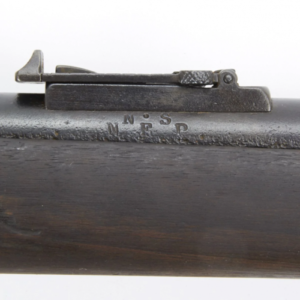
Hardware and Inspector Markings: Authentic military hardware features period-accurate metals (stamped steel, cast brass, or wartime zinc alloys) and correct manufacturer codes, patent markings, and ordnance acceptance stamps (such as British broad arrows, German manufacturer three-letter ordnance codes, and American inspector cartouches).
-
Patina and Natural Wear: Genuine WW2 Collectibles display organic aging, gentle oxidation on metal components, and honest wear consistent with active field use, rather than artificial distressing or corrosive chemical aging applied to deceive buyers.
-
Documented Provenance: Artifacts with verifiable lineage—such as single-owner soldier groupings, capture papers, veteran estate letters, or documented museum deaccessions—command premium status, providing an unbroken chain of custody that validates their wartime origins.
Preservation, Care, and Stewardship of WW2 Collectibles
Proper conservation practices are crucial for safeguarding WW2 Collectibles against environmental degradation over time. Metal surfaces should be stored in controlled humidity to prevent rust, with stable metal components protected by archival microcrystalline wax rather than harsh modern lubricants that can soften surrounding leather or strip original factory coatings. Historic leather items require a stable relative humidity (between 45% and 55%) to prevent dry rot and mold growth, avoiding petroleum-based saddle oils that can degrade organic fibers and rot original cotton stitching. Textiles and paper documents should be kept in acid-free, lignin-free archival boxes or Mylar sleeves, shielded from direct sunlight and fluorescent light to prevent irreversible UV fading. Practicing disciplined archival preservation ensures that your WW2 Collectibles remain pristine educational assets and historical heirlooms for decades to come.