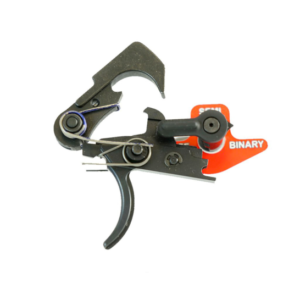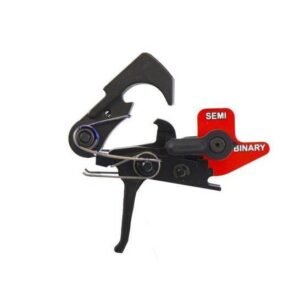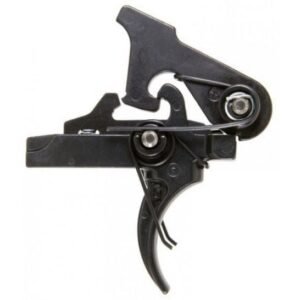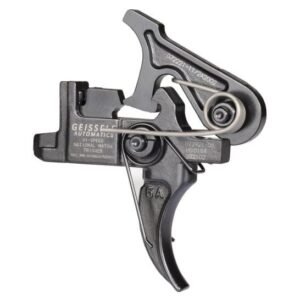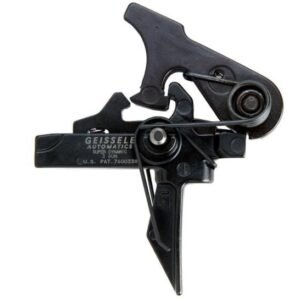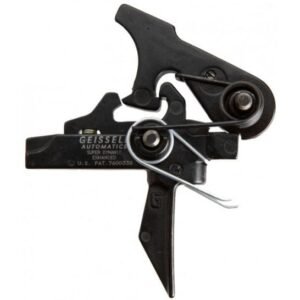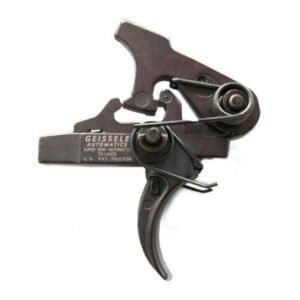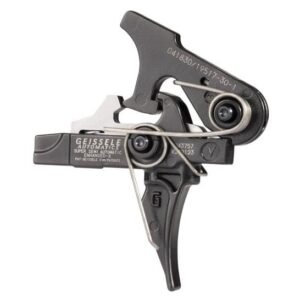
Triggers serve as the critical mechanical interface between the shooter and the firing mechanism, dictating how efficiently human input translates into controlled mechanical ignition. While stock factory firearms often feature heavy, spongy, or indistinct trigger pulls designed primarily around mass-production tolerances and liability mitigation, aftermarket performance triggers provide the crisp breaks, minimal overtravel, and predictable resets necessary to unlock a platform’s true mechanical accuracy. Whether fine-tuning a bolt-action rifle for sub-MOA precision, building a rapid-cycling competition AR-15, or enhancing the duty-readiness of a striker-fired handgun, upgrading to high-grade triggers remains the most impactful individual enhancement a shooter can make to improve shot-to-shot consistency.
The Mechanical Mechanics of Precision Triggers: Sear Engagement and Break Dynamics
To understand why upgrading triggers yields dramatic downrange results, shooters must look at the internal stages of the trigger press. A match-grade trigger assembly refines every phase of mechanical travel to minimize muzzle movement prior to shot discharge:
-
Take-Up (Pre-Travel): The initial rearward movement of the trigger before the sear mechanism begins to disengage. High-performance triggers feature smooth, predictable take-up that brings the finger cleanly to a defined stop.
-
The Wall: The firm mechanical boundary where the sear surfaces meet their final engagement edge. A distinct wall gives the shooter complete sensory awareness of when the shot is about to break.
-
Creep and Break: Creep refers to the gritty, perceptible dragging of the sear surfaces across one another before release. Quality triggers virtually eliminate creep through polished contact surfaces, micro-machined tool steel components, and advanced friction-reducing coatings (such as nickel Teflon, DLC, or titanium nitride), delivering a clean break often compared to snapping a glass rod.
-
Overtravel: The excess rearward movement of the trigger shoe after the sear releases. Excessive overtravel causes the shooter’s hand to pull the muzzle off target; precision triggers feature mechanical stops that arrest movement the instant the shot breaks.
-
Reset: The forward travel required for the disconnector to re-engage the sear. Competition and tactical triggers are engineered with short, tactile, and audible resets that allow for rapid, controlled follow-up shots with minimum finger movement.
Single-Stage vs. Two-Stage Triggers: Matching Mechanics to Shooting Style
Selecting between single-stage and two-stage triggers depends heavily on your specific shooting discipline, platform architecture, and tactical preferences:
-
Single-Stage Triggers: Characterized by immediate resistance with zero perceptible pre-travel. The shooter places their finger on the shoe, meets the wall instantly, and applies steady pressure until the hammer or striker drops. Single-stage triggers are the preferred standard for dynamic action sports (such as USPSA and 3-Gun), speed-focused tactical shooting, and close-quarters home defense setups where split-second reaction times and rapid cadence are paramount.
-
Two-Stage Triggers: Feature a distinct, light initial stage of smooth travel followed by a definitive second-stage wall. The shooter absorbs the first stage (e.g., 2 pounds of pressure), holds precisely at the wall, and applies a light final push (e.g., 1 pound) to release the shot. Two-stage triggers are the benchmark for designated marksman rifles (DMR), precision rifle series (PRS) bolt guns, and benchrest disciplines, offering an added layer of safety and control during high-stress, deliberate long-range engagements.
Platform-Specific Architecture: Triggers for AR-15s, Bolt Rifles, and Handguns
Modern performance triggers are engineered to address the specific mechanical constraints of different firearm categories:
-
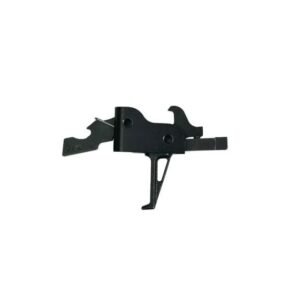
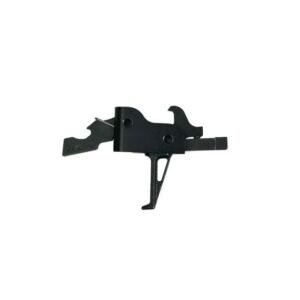
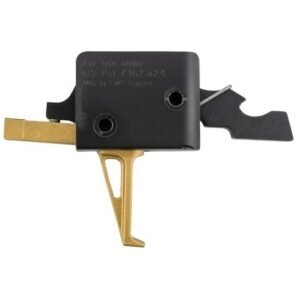
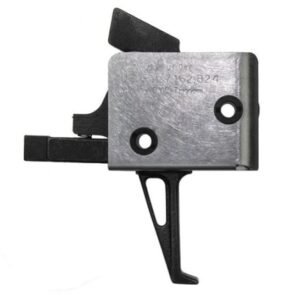
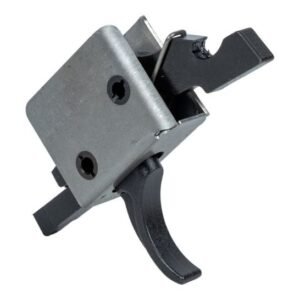
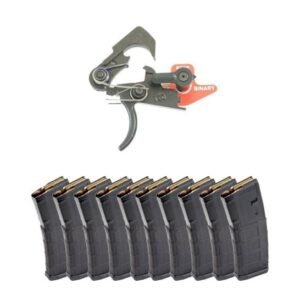
Drop-In Cassette vs. Component AR Triggers: Modular AR-15 triggers come in self-contained drop-in cassette housings CNC-machined from aircraft aluminum, allowing installation in minutes without balancing loose pins, springs, and disconnectors. Traditional multi-piece component triggers offer micro-tuning adjustments for custom sear engagement and spring weights, favored by experienced armorer-level builders.
-
Bolt-Action Rifle Triggers: Designed primarily around the standard Remington 700 footprint or proprietary receiver cuts, bolt-action triggers utilize externally adjustable screws to adjust pull weights down from a crisp 3-pound hunting baseline to a sub-8-ounce hair trigger for benchrest competition. Advanced designs incorporate roller-sear mechanisms to deliver frictionless releases under heavy bolt-thrust forces.
-
Striker-Fired Pistol Triggers: Upgrades for popular polymer handguns generally replace the standard stamped factory shoe and connector bar with flat-faced aluminum or steel shoes paired with polished trigger bars. These systems reduce internal take-up, flatten the leverage angle, and deliver crisp wall definitions without compromising internal drop-safety safeties.
Flat vs. Curved Triggers: Leverage and Ergonomics
The profile of the trigger shoe directly impacts human mechanics and perceived trigger weight:
-
Curved Triggers: The traditional semi-circular bow naturally centers the shooter’s index finger into the deepest part of the curve, promoting consistent finger placement from shot to shot. Curved triggers remain popular on hunting rifles and traditional combat sidearms where muscle memory is ingrained.
-
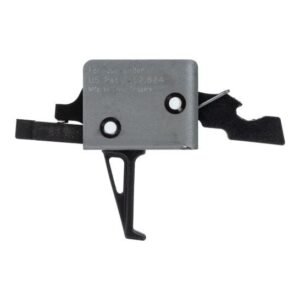
Flat-Faced Triggers: Straight trigger shoes allow the shooter to position their finger lower on the bow, exploiting basic physics to gain greater mechanical leverage over the pivot pin. This increased leverage makes a 3.5-pound pull feel lighter and smoother while providing a flat, consistent surface regardless of hand size or glove thickness.
Safe Installation, Tuning, and Maintenance of Performance Triggers
Because the trigger is the primary mechanical control governing firearm discharge, rigorous safety protocols must accompany every installation. After installing aftermarket triggers, armorers must perform thorough bench checks, including drop testing with an unloaded firearm, dry-firing while aggressively shaking the receiver, and testing disconnector resets to confirm the firearm cannot discharge accidentally or slip into uncontrollable burst-firing.
On modular cassette systems, utilizing anti-walk or anti-rotation trigger pins prevents the pins from walking out under heavy semi-automatic recoil. Regular maintenance involves blowing out brass shavings and carbon fouling from the trigger housing using non-chlorinated cleaners, followed by the sparing application of synthetic lubricant to the primary sear contact surfaces to preserve smooth cycling and prevent premature wear across thousands of rounds.